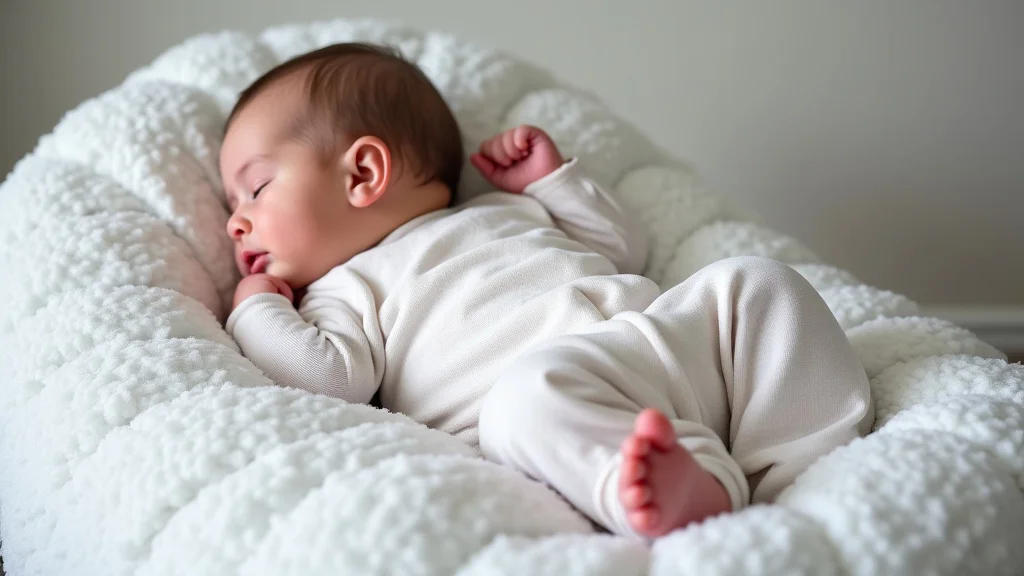
Having a baby brings so much joy, but also new concerns, especially when it comes to sleep. You want your little one to be cozy and safe all night long. That’s where a good sleeping sack for babies comes in. This post will guide you through everything you need to know to pick the perfect sleep sack, ensuring peaceful nights for both you and your baby. We’ll cover what to look for, different types available, and how to use them correctly.
Key Takeaways
- Sleeping sacks provide a safe alternative to loose blankets.
- The TOG rating is crucial for regulating baby’s temperature.
- Choosing the right size ensures comfort and safety.
- Different materials suit various climates and seasons.
- Proper use of sleep sacks prevents overheating and suffocation risks.
- Sleep sacks can help establish a healthy sleep routine.
What Is a Sleeping Sack for Babies
A sleeping sack, also known as a wearable blanket or sleepsuit, is a sleeveless garment designed to keep a baby warm while they sleep. Unlike traditional blankets, sleep sacks zip or snap around the baby, eliminating the risk of loose bedding covering their face. This is a vital safety feature, especially for infants who cannot regulate their body temperature as effectively as adults and can easily become overheated or too cold.
The primary purpose of a sleeping sack is to provide a safe and consistent sleep environment. The American Academy of Pediatrics recommends that the infant’s crib or bassinet be free of any loose items, including blankets, quilts, and pillows, to reduce the risk of Sudden Infant Death Syndrome (SIDS). A sleep sack fulfills this recommendation by acting as a blanket that the baby cannot kick off or get tangled in.
Many parents find that a sleep sack becomes an integral part of their baby’s bedtime routine, signaling that it’s time to wind down and sleep. This consistency can help babies develop healthy sleep habits from an early age. The design also allows for freedom of movement for the baby’s legs and arms, which is important for their development and comfort.
The Importance of Sleep Sacks for Infant Safety
Safety is the paramount concern for any parent, and the design of a sleeping sack directly addresses several infant sleep risks. The core benefit is the elimination of loose blankets. Loose bedding in a crib is a known hazard. It can pose a suffocation risk if it covers a baby’s face, and can also lead to entanglement, which can be dangerous.
Sleep sacks are designed to be snug around the torso and open at the bottom, allowing the baby to move their legs freely while ensuring their head and neck are never covered. This construction prevents the baby from pulling the sack over their head.
Overheating is another significant risk for infants. Babies cannot sweat as efficiently as adults, and overheating is a contributing factor to SIDS. Sleep sacks come with different Thermal Overall Grade (TOG) ratings, which indicate their warmth. This allows parents to choose a sack appropriate for the room temperature, preventing the baby from becoming too hot.
A study published in the Archives of Disease in Childhood found a link between a higher risk of SIDS and both overheating and the presence of loose bedding. By using a sleep sack, parents can mitigate these risks effectively. For example, a sleep sack made of breathable cotton with a TOG rating of 0.5 is ideal for warmer rooms, while a fleece-lined sack with a TOG rating of 2.5 is better for colder nights.
Freedom of Movement for Baby
While safety is key, a well-designed sleeping sack also prioritizes your baby’s comfort and freedom to move. Modern sleep sacks are shaped to allow babies to kick, stretch, and roll freely within the sack. This is crucial for their physical development and also for their comfort, as they can adjust their position during sleep.
Unlike swaddling, which restricts arm movement, many sleep sacks are designed to be used after the swaddling stage. This allows babies to have their arms out, which is often preferred by babies who are starting to roll over. Some sleep sacks even have armholes that can be covered or uncovered, offering flexibility.
This freedom of movement means that babies are less likely to feel restricted and more likely to settle into a comfortable sleeping position. If a baby is too warm, they can shift to find a cooler spot. If they need to adjust their legs, they can do so easily. This autonomy contributes to better sleep quality.
Establishing Bedtime Routines
The consistent use of a sleeping sack can become a powerful cue for your baby that it’s time for sleep. When a baby is placed in their sleep sack, it signals the transition from playtime or evening activities to the sleep period. This predictability is beneficial for infants as they learn to associate certain actions with sleep.
A typical bedtime routine might involve a bath, a feeding, a story, and then being placed in their sleep sack. By consistently following these steps, your baby learns to anticipate sleep. This can lead to them falling asleep more easily and staying asleep for longer stretches.
The comfort and security provided by the sleep sack further aid in this routine. It creates a familiar and cozy environment that can help soothe a fussy baby and prepare them for rest. Many parents report that their babies seem to relax more quickly once they are zipped into their sleep sack.
Understanding TOG Ratings and Materials
The Thermal Overall Grade, or TOG, is a measure of how much thermal insulation a fabric provides. It’s a critical factor in selecting the right sleep sack for your baby’s safety and comfort, as it helps prevent overheating. Different TOG ratings are designed for different ambient room temperatures.
What is a TOG Rating
A TOG rating is a standardized system used for sleepwear. A higher TOG rating means the fabric is warmer and provides more insulation. Conversely, a lower TOG rating indicates a lighter fabric suitable for warmer conditions. It is crucial to match the TOG rating of the sleep sack to the temperature of the room where the baby will be sleeping.
* TOG 0.5: Ideal for very warm temperatures, typically above 75°F (24°C). These sacks are made of lightweight, breathable cotton or muslin. They offer minimal warmth, preventing overheating in hot weather.
* TOG 1.0: Suitable for warmer rooms, generally between 70°F and 75°F (21°C to 24°C). These are often made of single-layer cotton.
* TOG 1.5: The most versatile rating, appropriate for average room temperatures between 68°F and 72°F (20°C to 22°C). This is a common choice for year-round use in many climates.
* TOG 2.5: Designed for cooler rooms, typically between 64°F and 68°F (18°C to 20°C). These sacks are usually made of thicker cotton or have a fleece lining.
* TOG 3.0 and higher: For very cold rooms, below 64°F (18°C). These are often made of thicker materials like fleece or padded fabrics and are best for winter months or unheated rooms.
Choosing the correct TOG rating is paramount. Overheating is a known risk factor for SIDS. The NHS in the UK, for example, advises parents to use a sleep sack with an appropriate TOG rating for the room temperature and to avoid using additional blankets.
Popular Materials for Sleep Sacks
The material of the sleep sack plays a significant role in its breathability, warmth, and how comfortable it feels against a baby’s sensitive skin. Different materials are suited for different seasons and climates.
* Cotton: This is the most popular material for sleep sacks due to its breathability, softness, and natural hypoallergenic properties. Cotton sleep sacks are great for sensitive skin and are easy to wash. They come in various weights, allowing for different TOG ratings. Organic cotton is an excellent choice for parents concerned about pesticides and chemicals.
* Bamboo: Bamboo fabric is known for its exceptional softness, breathability, and moisture-wicking properties. It has a natural cooling effect, making it ideal for warmer climates or for babies who tend to get hot. It’s also hypoallergenic and antibacterial.
* Fleece: Fleece sleep sacks are warmer and provide more insulation, making them suitable for cooler temperatures. They are typically used for TOG ratings of 2.5 or higher. While cozy, fleece can be less breathable than cotton, so it’s important to ensure the room is cool enough to avoid overheating.
* Muslin: Often used for very lightweight sleep sacks with low TOG ratings (like 0.5), muslin is a loosely woven cotton fabric that is incredibly breathable and soft. It’s perfect for summer or hot climates.
Consider the climate where you live and the typical temperature in your baby’s nursery. For example, if you live in a warm region, a 100% bamboo or lightweight cotton sleep sack with a 0.5 TOG rating will be a better choice than a fleece one. Many brands offer detailed guides on their websites that correlate their TOG ratings and materials with specific room temperatures, making it easier for parents to make an informed decision.
The Importance of Fit and Size
A properly fitting sleeping sack is essential for both safety and comfort. A sack that is too big can be a suffocation hazard, while one that is too small can restrict movement and be uncomfortable. Sleep sacks come in various sizes, usually categorized by age and weight.
When selecting a sleep sack, check the manufacturer’s sizing guide carefully. The sack should fit snugly around the neck and chest area. There should be no gaps where the baby’s head could slip through. The armholes should also be appropriately sized, preventing the baby’s arms from getting caught or the sack from riding up.
The bottom of the sleep sack should allow for plenty of leg movement. Babies need to be able to kick and move their legs freely, as this is important for their hip development. Look for sleep sacks with a generous amount of room in the lower half, often referred to as a “tapered” or “bell-shaped” design at the bottom.
For instance, a newborn might fit in a “0-3 months” size sleep sack. As the baby grows, you’ll need to transition to larger sizes. This often happens around 3-6 months, then 6-12 months, and so on. Always check the specific measurements provided by the brand, as sizing can vary. A common mistake is to buy a sleep sack that is too large hoping the baby will “grow into it” for safety reasons.
Adjusting for Different Seasons
The beauty of sleep sacks is their adaptability to different seasons and changing room temperatures. You don’t need a whole new wardrobe of bedding; simply adjust the TOG rating of the sleep sack.
In summer, a lightweight, breathable cotton or bamboo sleep sack with a TOG of 0.5 or 1.0 is ideal. These help to keep the baby cool and prevent overheating in warmer temperatures. The loose weave allows air to circulate, ensuring comfort.
As the weather cools in autumn and winter, you’ll switch to a warmer sleep sack. A TOG rating of 1.5 to 2.5 made from thicker cotton or a fleece blend would be appropriate for typical room temperatures. For very cold rooms or during extreme winter weather, a TOG rating of 3.0 or higher might be necessary, ensuring the baby remains warm without being overdressed underneath.
A practical tip is to have at least two sleep sacks for each TOG rating you use. This allows for easy changes during laundry days. Having a lighter and a warmer option readily available ensures you can always respond to the current weather and your baby’s needs.
Types of Sleeping Sacks for Babies
The world of baby sleepwear has evolved, offering a variety of sleep sack styles to suit different needs and preferences. Each type has its own unique features that can contribute to a baby’s comfort and sleep quality.
Standard Sleep Sacks
The most common type is the standard sleep sack. These are essentially sleeveless wearable blankets that zip or snap from the bottom up or from the top down. They provide a secure and consistent covering without the risks associated with loose blankets.
These sacks are designed to be worn over the baby’s regular sleepwear, such as a onesie or pajamas. The material and TOG rating will determine the warmth. They offer excellent freedom of movement for the baby’s legs and are a staple for most parents.
A popular example is a cotton sleep sack with a front zipper. The zipper usually has a protective fabric tab at the top to prevent it from scratching the baby’s chin. These are easy to put on and take off, which is a huge benefit during late-night diaper changes.
Sleep Sacks with Sleeves
Some sleep sacks come with built-in sleeves. These offer a bit more warmth than sleeveless versions and can be a good option for cooler nights or for babies who tend to get cold arms. The sleeves are typically loose-fitting to allow for movement and to prevent overheating.
These are a great alternative for parents who find their baby still gets chilly even with a standard sleep sack. The sleeves add an extra layer of warmth without the bulk of a separate long-sleeved garment underneath.
However, it’s important to ensure the sleeves are not too tight and that the overall TOG rating is appropriate for the room temperature. If the sleeves are too warm, they can contribute to overheating. Many sleep sacks with sleeves are designed with a lighter fabric for the main body and a slightly warmer sleeve, or vice-versa, depending on the overall TOG.
Footed Sleep Sacks
Footed sleep sacks, also known as sleepsuits or sleep bags with feet, have integrated foot coverings. These are designed to keep the baby’s feet warm and can sometimes eliminate the need for separate socks or booties, which can be kicked off during sleep.
These are particularly useful in colder climates or for babies who consistently have cold feet. The foot portion is often made of the same material as the rest of the sack, or sometimes a slightly different material for grip.
It’s essential that these footed sleep sacks have non-slip grips on the soles if the baby is mobile or learning to stand. Also, ensure the foot area is roomy enough to allow for toe movement and growth, preventing the baby from outgrowing them too quickly or feeling restricted. Some footed sleep sacks also have fold-over cuffs that can cover the feet for extra warmth.
Swaddle Sleep Sacks
For newborns, swaddle sleep sacks offer the benefits of a traditional swaddle combined with the safety of a sleep sack. These often feature velcro or snap closures that allow parents to swaddle the baby snugly, mimicking the womb, while the baby’s legs remain free in a sleep sack-like bottom.
These are a transitional product, ideal for parents who want the calming effect of swaddling but are concerned about the safety of traditional swaddling blankets as the baby gets older. Many babies find the snugness of a swaddle comforting and it can help reduce the startle reflex.
However, it’s critical to know when to stop swaddling. Once a baby shows signs of rolling over (usually around 3-4 months), swaddling should be discontinued as it can restrict their ability to roll to their back if they end up on their tummy. Swaddle sleep sacks often have an option to release the arms as the baby progresses towards independent sleeping.
Choosing the Right Sleeping Sack for Your Baby
Selecting the perfect sleeping sack involves considering several factors to ensure it meets your baby’s needs and your preferences. It’s more than just picking a cute pattern; it’s about safety, comfort, and practicality.
Assessing Room Temperature
The most critical factor in choosing a sleeping sack is the ambient temperature of the room where your baby sleeps. This directly dictates the TOG rating you should select. It’s a good practice to invest in a room thermometer so you can accurately monitor the temperature.
Most sleep sack manufacturers provide a guide that matches TOG ratings with specific temperature ranges. For example, a room consistently kept between 68-72°F (20-22°C) would call for a TOG of 1.5. If the room is warmer, say above 75°F (24°C), a 0.5 TOG sack is necessary. If it’s cooler, around 64-68°F (18-20°C), a 2.5 TOG would be appropriate.
It’s better to err on the side of caution and choose a slightly cooler option if you are unsure. You can always add a light layer of clothing underneath the sleep sack if needed, but it’s harder to correct overheating. Dressing your baby in a short-sleeved onesie under a 1.5 TOG sack in a 70°F room is generally safe. If the room is warmer, switch to a short-sleeved pajama or just a diaper.
Considering Your Baby’s Needs
Every baby is different, and their individual needs should guide your choice. Some babies are natural “hot sleepers” who tend to overheat easily, while others can feel the cold quickly. Observing your baby’s behavior and how they respond to different temperatures is key.
If your baby frequently wakes up sweaty or seems restless, they might be too warm. Consider a lighter TOG rating or a more breathable fabric like bamboo or muslin. If your baby often has cold hands or feet, or seems to shiver, they might need a warmer sleep sack or an additional thin layer of clothing underneath.
A baby’s age and stage of development also play a role. Newborns might benefit from a swaddle sleep sack to help them feel secure. As they grow and start to roll, transitioning to a standard or sleeved sleep sack becomes necessary for safety. Remember that babies who are more active during sleep might benefit from a sack that allows for more movement.
Fabric Choices and Breathability
The fabric of the sleep sack is directly related to its breathability and how it feels against your baby’s skin. Breathability is vital for preventing overheating and ensuring your baby is comfortable throughout the night.
* Natural fibers like cotton and bamboo are highly breathable. Cotton is a classic choice, being soft, durable, and hypoallergenic. Bamboo fabric takes breathability a step further with its moisture-wicking properties, keeping the baby dry and comfortable.
* Synthetic materials like polyester or fleece can be warmer but may be less breathable. They are often used in higher TOG rated sacks for colder weather. If using fleece, ensure it’s a high-quality, soft fleece that still allows for some air circulation.
When you feel the fabric, you should be able to sense its weight and how airy it is. A light, airy fabric is generally best for warmer temperatures, while a denser, softer fabric is better for cooler conditions. Some brands also blend materials, like cotton-bamboo blends, to combine the best properties of each.
Washability and Durability
As a parent, convenience is often high on the priority list. Sleep sacks will need to be washed frequently due to spit-ups, diaper leaks, and general wear and tear. Therefore, choosing a sack that is easy to wash and durable is a wise decision.
Most cotton and bamboo sleep sacks are machine washable and can be tumble-dried on low heat or air-dried. Check the care label on the product for specific instructions. Look for high-quality stitching and durable zippers or snaps that will withstand repeated use and washing.
A sack that is easy to put on and take off, especially for diaper changes, will also be a lifesaver. Zippers that open from the top or bottom are often preferred over snaps, as they can be less fiddly, especially in the dark.
How to Properly Use and Maintain Sleeping Sacks
Using a sleeping sack correctly ensures your baby gets the most benefit from it while maintaining the highest level of safety. Proper maintenance also extends the life of the sleep sack and keeps it hygienic for your little one.
Dressing Your Baby Underneath
The layer of clothing your baby wears under the sleep sack is just as important as the sack itself. The goal is to keep your baby at a comfortable temperature without overdressing. This combination should match the TOG rating of the sleep sack to the room temperature.
As a general guideline, if the room temperature is around 70°F (21°C) and you are using a 1.5 TOG sleep sack, a long-sleeved onesie or a light cotton pajama set would be appropriate. If the room is warmer and you’re using a 0.5 TOG sack, a short-sleeved onesie or even just a diaper might suffice.
Always check your baby’s neck or back to gauge their temperature. Their hands and feet might feel cooler, which is normal. If your baby’s neck feels hot and sweaty, they are likely too warm. If they feel cool to the touch on their back or chest, they might need an extra layer or a warmer sleep sack. Avoid using hats indoors as they can contribute to overheating.
When to Transition from Swaddling
Swaddling is a popular technique for newborns, but it’s crucial to know when to stop. The primary reason to transition from swaddling is when your baby shows signs of beginning to roll over. This typically happens between 3 to 6 months of age.
Once a baby can roll from their back to their tummy, a swaddle can become a safety hazard because they may not be able to lift their head or move their arms to breathe freely if they end up on their stomach. Swaddle sleep sacks often have an option to release the arms, allowing for a gradual transition.
You can transition by first unswaddling one arm, then the other, or by using a sleep sack that allows the baby’s arms to be out from the start. Many babies adjust well to sleeping with their arms free, and this offers them greater mobility and the ability to self-soothe by reaching for their face.
Cleaning and Care Instructions
To keep your baby’s sleeping sack clean and hygienic, follow the manufacturer’s care instructions. Generally, most sleep sacks made from cotton or bamboo can be machine washed on a gentle cycle with mild detergent.
It’s best to wash sleep sacks separately or with other baby items. Avoid using fabric softeners, as they can sometimes reduce the breathability and softness of the fabric over time. Tumble drying on a low heat setting is usually acceptable, but air-drying is often recommended to preserve the fabric and prevent shrinkage.
Regularly inspect the sleep sack for any signs of wear and tear, such as loose threads, worn seams, or broken zippers. Any damage can compromise the safety of the sleep sack and should be addressed or the sack retired from use.
Safety Checks and When to Replace
Safety is the top priority when it comes to baby sleepwear. You should regularly check your baby’s sleep sack for any signs of damage that could pose a risk.
* Zippers: Ensure zippers are fully functional and the zipper pull is securely attached. A loose zipper pull could be a choking hazard.
* Snaps: Check that snaps are firmly attached and not loose or broken.
* Seams: Look for any fraying seams or loose threads, especially around the neck and armholes. These can become a strangulation hazard.
* Fabric: Examine the fabric for any holes or thinning areas, particularly in high-wear zones.
If you notice any of these issues, it’s time to replace the sleep sack. Also, babies grow quickly, and you will need to replace sleep sacks as your baby outgrows them by size. Continuing to use a sleep sack that is too small can restrict movement and be uncomfortable. Always refer to the sizing charts provided by the manufacturer.
Common Myths Debunked
There are many beliefs and practices surrounding baby sleep, and sleep sacks are no exception. Some common myths can cause unnecessary worry or lead to incorrect usage.
Myth 1: Sleep Sacks Are Too Restrictive for Babies
Reality: Modern sleep sacks are designed with ample room for babies to move their legs freely. The best sleep sacks have a bell-shaped bottom that allows for natural hip positioning and leg kicking. This freedom of movement is crucial for a baby’s development and comfort. Unlike tight swaddling, a well-fitting sleep sack allows for natural motion and positional adjustments during sleep.
Myth 2: Babies Can Get Too Hot in Sleep Sacks
Reality: Overheating is a concern with any baby sleepwear, but sleep sacks are designed to help prevent it when used correctly. The key is to choose the appropriate TOG rating for the room temperature. If a baby gets too hot in a sleep sack, it’s usually because the TOG rating is too high for the room, or they are overdressed underneath. Always check the room temperature and the baby’s temperature.
Myth 3: Sleep Sacks Are Only for Winter
Reality: Sleep sacks are useful year-round. They come in various TOG ratings and materials to suit different seasons. Lightweight cotton or bamboo sleep sacks with low TOG ratings (0.5 or 1.0) are perfect for summer, while thicker fleece or padded sacks with higher TOG ratings (2.5 or 3.0) are ideal for colder months.
Myth 4: Sleep Sacks Are a Replacement for All Other Bedding
Reality: A sleep sack is designed to replace loose blankets and quilts in the crib. However, the baby will still likely need appropriate clothing underneath based on the room temperature and the sleep sack’s TOG rating. It’s not meant to replace the baby’s regular sleepwear entirely but to provide a safe and warm covering.
Myth 5: Once a Baby Can Roll, They Can’t Use a Sleep Sack
Reality: Babies who can roll can and should use sleep sacks. In fact, it’s safer for them to do so, especially if they were previously swaddled. The key is to ensure they are in a sleep sack where their arms are free. This allows them to push themselves up or adjust their position if they roll onto their tummy, which is essential for safe sleep once they can roll.
Frequently Asked Questions
Question: What is the difference between a sleep sack and a swaddle?
Answer: A swaddle is a piece of fabric wrapped snugly around a newborn to mimic the womb and reduce the startle reflex. A sleep sack is a wearable blanket that zips or snaps around the baby, providing warmth without restricting movement significantly, and is generally used after the swaddling stage or when the baby starts to roll.
Question: How do I know if my baby is too hot or too cold in their sleep sack?
Answer: Feel your baby’s neck or back. If they feel hot and sweaty, they are too warm. If their skin feels cool, they may be too cold.
Their hands and feet might feel cooler, which is normal.
Question: Can I use a sleep sack if my baby sleeps with a pacifier?
Answer: Yes, you can. A sleep sack does not interfere with pacifier use. Your baby can still reach for and comfort themselves with a pacifier.
If the pacifier falls out, it is generally recommended not to replace it during sleep to avoid disturbing the baby.
Question: How many sleep sacks should I have?
Answer: It’s practical to have at least two to three sleep sacks per TOG rating you use, so you always have a clean one available. Having options for different seasons is also advisable.
Question: Are footed sleep sacks safe?
Answer: Yes, footed sleep sacks can be safe and convenient. Ensure they have non-slip grips on the soles if your baby is mobile and that the foot area is roomy enough for your baby’s toes to move freely.
Summary
Choosing the right sleeping sack for your baby offers peace of mind and promotes safe, comfortable sleep. Always consider the TOG rating for room temperature and select breathable, appropriately sized materials. These wearable blankets are a vital tool for establishing healthy sleep routines and keeping your little one snug all year round. Your baby deserves safe and restful nights.