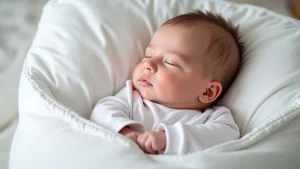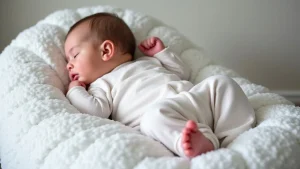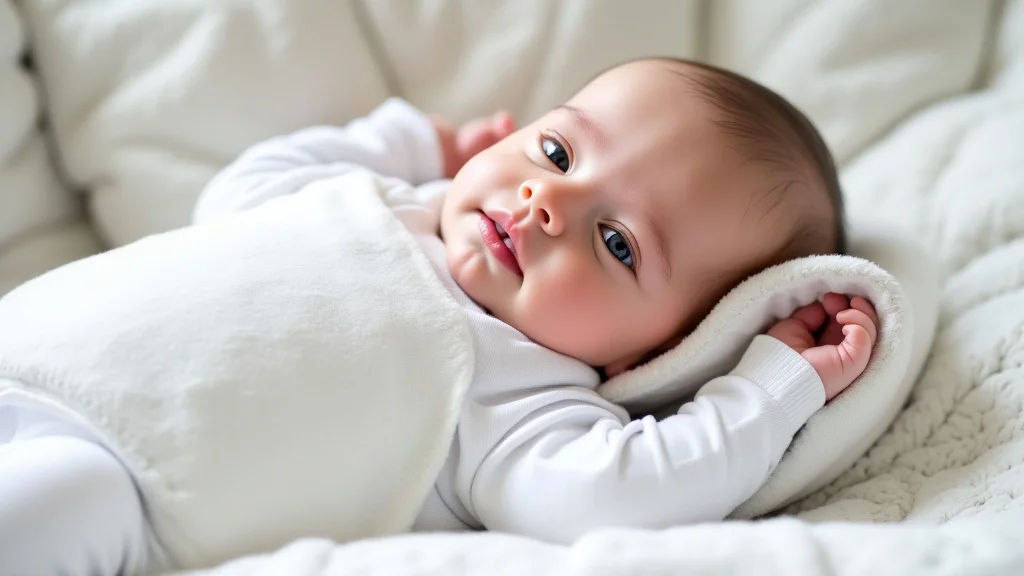
Has your little one outgrown swaddling but still needs that cozy security at bedtime? It’s a common challenge for parents. You want your baby to sleep soundly, but also safely.
This guide will help you find the best sleep sacks for babies. We will explore different types, materials, and features to ensure your baby gets the restful sleep they deserve, and you get peace of mind.
Key Takeaways
- Sleep sacks offer a safe alternative to loose blankets.
- Fabric type impacts warmth and breathability.
- Choosing the right size is crucial for safety and comfort.
- Different TOG ratings are suited for various room temperatures.
- Consider features like legroom and ease of diaper changes.
Why Sleep Sacks Are Essential For Baby Sleep
Sleep sacks are wearable blankets designed to keep your baby warm and safe during sleep. Unlike traditional blankets, they can’t be kicked off or become a suffocation hazard. This makes them a pediatrician-recommended sleep solution.
They help babies feel secure, mimicking the womb and promoting longer, more peaceful sleep. When choosing sleep sacks for babies, safety and comfort are the top priorities.
Using a sleep sack can significantly improve a baby’s sleep quality. This leads to a more rested baby and happier parents. A good night’s sleep for your baby means more predictable naps and fewer night wakings.
This guide will walk you through everything you need to know to make an informed decision.
The Science of Sleep Sacks
Babies have different sleep needs than adults. They can’t regulate their body temperature as effectively. Loose bedding poses a risk of overheating or suffocation.
Sleep sacks solve this by providing a controlled layer of warmth. The wearable design ensures the sack stays in place all night. This consistent warmth helps babies feel secure and settled.
Research shows that consistent sleep environments are key for infant development. A sleep sack contributes to this by offering a predictable and safe sleep accessory. It helps create a calming bedtime routine.
This routine signals to the baby that it’s time to wind down and rest. The feeling of being swaddled or hugged is often replicated by the snug fit of a sleep sack.
The American Academy of Pediatrics (AAP) recommends against loose bedding in cribs. Sleep sacks align perfectly with these safety guidelines. They are designed to be worn over pajamas, replacing the need for blankets.
This proactive safety measure can help prevent common sleep-related infant emergencies. Choosing the best sleep sacks for babies is an investment in their safety.
Benefits for Baby Development
Adequate sleep is vital for a baby’s physical and cognitive development. During sleep, babies grow, learn, and process their day. When babies sleep well, they are more alert and engaged when they are awake.
This can lead to better feeding, more play, and increased interaction with caregivers.
Sleep sacks contribute to this by promoting uninterrupted sleep. When babies are comfortable and not too hot or too cold, they are less likely to wake. This consistent rest allows their brains to consolidate memories and develop properly.
The sense of security a sleep sack provides can also reduce infant anxiety. A calm baby is a baby who sleeps better.
The long-term benefits of good sleep habits start in infancy. By establishing a safe and comfortable sleep routine early on, you are setting your child up for success. Using a sleep sack is a simple yet effective way to support this.
It helps create a predictable sleep signal for your baby.
Choosing The Right Sleep Sack Material
The material of a sleep sack is a major factor in its warmth and breathability. Different fabrics are suitable for different climates and room temperatures. Understanding these differences helps you select the best sleep sacks for babies based on your specific needs.
Cotton
Cotton is a popular choice due to its natural softness and breathability. It’s hypoallergenic and gentle on sensitive baby skin. Cotton sleep sacks are great for warmer months or well-heated rooms.
They allow air to circulate, reducing the risk of overheating.
However, cotton can take longer to dry than some synthetic materials. If it gets wet from spit-up or leaks, it might feel damp for a while. Despite this, its comfort and versatility make it a top contender for many parents.
Look for organic cotton for an extra-gentle option.
Key Features of Cotton Sleep Sacks:
- Soft and breathable
- Hypoallergenic
- Good for moderate temperatures
- Machine washable and durable
Cotton sleep sacks are a solid all-around choice. They offer a good balance of comfort and safety. Many parents appreciate that cotton is a natural fiber.
This can be important for families focused on eco-friendly or chemical-free products. Ensure the cotton is of good quality to avoid pilling or stretching after washes.
Bamboo
Bamboo fabric is known for its incredibly soft, silky texture. It is highly breathable and has natural moisture-wicking properties. This makes bamboo sleep sacks excellent for temperature regulation, keeping babies cool in the summer and warm in the winter.
Bamboo also has natural antimicrobial properties, which can be a bonus. It is often blended with other materials like spandex to add stretch and improve durability. The gentle nature of bamboo makes it ideal for babies with sensitive skin or eczema.
Advantages of Bamboo Sleep Sacks:
- Luxuriously soft and smooth
- Excellent temperature regulation
- Moisture-wicking
- Antimicrobial properties
- Eco-friendly production (often)
Bamboo sleep sacks offer a premium feel. They are a great option for babies who tend to overheat easily. The natural fibers are gentle and luxurious.
Many parents find that their babies sleep more soundly in bamboo sleep sacks. The stretchiness also allows for freedom of movement for active babies.
Fleece and Polyester Blends
Fleece and polyester blends are warmer than cotton or bamboo. They are ideal for cooler climates or unheated rooms. These materials offer excellent insulation, trapping body heat to keep babies snug.
They are also very durable and dry quickly.
However, they are less breathable than natural fibers. This means there’s a higher risk of overheating if the room is too warm. Always check the TOG rating when considering fleece or polyester sleep sacks.
They are best suited for environments where the temperature drops significantly.
Considerations for Fleece/Polyester Sleep Sacks:
- Very warm and insulating
- Durable and quick-drying
- Best for cold environments
- Less breathable than natural fibers
- Risk of overheating in warm rooms
These materials are a practical choice for winter months. They provide robust warmth for babies who feel the cold. It is crucial to layer appropriately underneath these sacks.
A thin cotton onesie might be sufficient in a moderately cool room. For very cold rooms, a thicker pajama layer might be needed.
Understanding TOG Ratings
TOG (Thermotolerance Group) is a measure of thermal insulation. It helps you choose the right sleep sack for the temperature of your baby’s room. A higher TOG rating means the sleep sack is warmer.
Selecting the correct TOG rating is crucial for preventing overheating or chilling.
TOG Rating Chart and Recommendations
The ideal room temperature for a baby’s sleep is generally between 68-72°F (20-22°C). Here’s a guide for choosing sleep sacks based on room temperature:
| TOG Rating | Room Temperature | Recommended Clothing |
|---|---|---|
| 0.5 TOG | 75°F+ (24°C+) | Short-sleeved onesie |
| 1.0 TOG | 70-74°F (21-23°C) | Long-sleeved onesie |
| 1.5 TOG | 66-69°F (19-20°C) | Long-sleeved pajamas and a onesie |
| 2.5 TOG | 60-65°F (16-18°C) | Long-sleeved pajamas, a onesie, and perhaps a light sleepsuit |
It is important to note that these are general guidelines. Always feel your baby’s chest or back to check their temperature. If they feel too hot or too cold, adjust their clothing or the sleep sack.
The goal is to keep them comfortably warm.
Using the right TOG rating is a cornerstone of safe sleep practices. Overheating is a known risk factor for Sudden Infant Death Syndrome (SIDS). Therefore, paying attention to the TOG rating is not just about comfort; it’s about safety.
Always err on the side of caution if you are unsure.
How to Check Your Baby’s Temperature
A common mistake is to check a baby’s hands or feet. These extremities often feel cooler than the rest of their body. Instead, gently place your hand on their chest or the back of their neck.
If this area feels warm and dry, your baby is likely comfortable. If it feels sweaty or clammy, they are too hot. If it feels cold, they need more layers or a warmer sleep sack.
The best sleep sacks for babies will clearly indicate their TOG rating. Manufacturers provide this information to help parents make informed choices. Some brands even offer charts to match their products to specific room temperatures.
Always read the labels carefully.
Remember to consider the thickness of your baby’s pajamas underneath the sleep sack. A heavier pajama set will require a lower TOG rating than thin onesies. Adjusting these factors ensures optimal comfort for your little one throughout the night.
Key Features to Look For
Beyond material and TOG, several features can make a sleep sack more practical and comfortable for both baby and parent. These details can make a big difference in daily use.
Zipper Design
The zipper is a key component of a sleep sack. Most sleep sacks have a front zipper that allows for easy dressing and undressing. Some feature a two-way zipper, which is incredibly useful for diaper changes.
A two-way zipper lets you open the sack from the bottom without fully removing it.
Look for zippers that are covered at the top and bottom. A zipper tab cover prevents the zipper pull from scratching your baby’s chin or chest. The zipper should also be sturdy and smooth-gliding.
A cheap or snagging zipper can be frustrating and a safety concern.
Zipper Features to Prioritize:
- Two-way zipper for easy diaper changes
- Zipper cover at the chin to prevent irritation
- Smooth, durable zipper mechanism
- Zipper that doesn’t easily snag fabric
The convenience of a two-way zipper cannot be overstated, especially for nighttime diaper changes. It allows you to quickly access the diaper area while keeping the baby’s upper body covered and warm. This minimizes disruption to their sleep.
It’s a small detail that makes a huge impact.
Size and Fit
Getting the right size is paramount for safety and comfort. A sleep sack that is too large can be a suffocation hazard. The neck opening should be snug enough so your baby’s head cannot slip inside.
Conversely, a sack that is too small will restrict movement and be uncomfortable.
Most sleep sacks come with sizing guides based on your baby’s weight and height. Always measure your baby before purchasing. Many brands offer sizes from newborn up to toddler age.
Some sacks also have adjustable features, like snaps or a longer length, to accommodate growth.
Size and Fit Checklist:
- Neck opening is snug, not loose
- Armholes are not too large
- Sack is long enough for leg movement but not so long it poses a tripping hazard (for older babies)
- Check manufacturer’s size chart against baby’s measurements
A proper fit ensures the sleep sack functions as intended. It keeps the baby warm without compromising their ability to breathe or move freely. Pay close attention to the weight and height recommendations on the packaging.
This is especially important when looking for the best sleep sacks for babies as they grow rapidly.
Leg Room and Mobility
While a snug fit is important around the neck and chest, babies need room for their legs. They often like to kick and move their legs in their sleep. A sleep sack with a roomy bottom portion allows for natural leg movement and prevents restriction.
This is sometimes called a “leggy” or “footie” style, depending on whether it has integrated feet.
Some sleep sacks have leg cuffs or integrated footies. Integrated footies can be convenient for keeping feet warm, but ensure they are not too tight. If your baby tends to wiggle or kick a lot, a sleep sack with ample leg space is preferable.
This supports their natural sleep movements.
Mobility Considerations:
- Generous leg room for kicking and stretching
- Avoid sacks that feel restrictive around the legs
- Consider sleep sacks with integrated footies if desired, ensuring a good fit
- Test the freedom of movement before settling on a purchase
The ability to move freely can help babies resettle themselves if they wake. It also supports healthy hip development. A sack that allows for a natural “frog-leg” sleeping position is ideal.
This is a comfortable and healthy position for infants.
Popular Sleep Sack Styles and Brands
The market offers a variety of sleep sack styles. Many reputable brands focus on safety, comfort, and design. Understanding these options helps you find the best sleep sacks for babies.
Swaddle-to-Sleep Sack Transitions
For babies transitioning from swaddling, some sleep sacks offer a compromise. These might have detachable sleeves or a design that allows for a snug, swaddle-like feel around the upper body. This can ease the transition and help babies adjust to more freedom.
Many parents find that sleep sacks with arm access are a good middle ground. They can initially be used with arms swaddled inside, then gradually released as the baby gets used to it. This gradual approach is often less jarring.
Transition Sleep Sack Features:
- Detachable or convertible sleeves
- Adjustable swaddle wings for the upper body
- Options for arms-in or arms-out sleeping
- Designed to provide security during a developmental leap
These transitional sacks are excellent tools for parents. They bridge the gap between complete swaddling and free limb movement. The goal is to maintain a sense of security without the risks associated with traditional swaddling beyond a certain age.
Footed vs. Footless Sleep Sacks
Footed sleep sacks have built-in foot covers. These can help keep little feet warm, especially in cooler rooms. However, they can also become outgrown quickly as babies’ legs grow longer.
Footless sleep sacks offer more flexibility. They can be worn with or without socks, and babies can kick their feet out more freely. They tend to last longer as babies grow because there’s no fixed foot length.
Footed vs. Footless Comparison:
| Feature | Footed Sleep Sacks | Footless Sleep Sacks |
|---|---|---|
| Warmth for Feet | Good, integrated coverage | Relies on socks or bare feet |
| Growth Flexibility | Less flexible, outgrown by foot length | More flexible, accommodates leg growth |
| Mobility | Can sometimes restrict movement slightly | Allows maximum leg freedom |
| Diaper Changes | May require unzipping fully or partially | Often easier with two-way zippers |
The choice often comes down to personal preference and the climate. For very cold environments, footed sacks can be appealing. For more versatility and longer use, footless options are often preferred.
Top-Rated Brands
Several brands consistently receive high praise for their quality and safety. Some popular choices include:
- Hanna Andersson: Known for organic cotton and fun prints.
- Kyte BABY: Offers incredibly soft bamboo sleep sacks.
- Woolino: Features merino wool sleep sacks known for temperature regulation.
- HALO Innovations: A widely recognized brand for its safety features and ease of use.
- Little Sleepies: Popular for bamboo blends and stylish designs.
When researching the best sleep sacks for babies, look at customer reviews. Pay attention to comments about durability, fabric quality, and how well the sack holds up after washing. Brand reputation is often a good indicator of quality.
Common Myths Debunked
Myth 1: Sleep Sacks Are Just Fancy Blankets
This is a common misconception. While both provide warmth, sleep sacks are designed as wearable blankets. They are a much safer alternative to loose blankets, which pose suffocation risks for babies.
Sleep sacks stay securely on the baby, ensuring consistent warmth without the danger of covering their face. This distinction is crucial for infant safety.
Myth 2: Babies Grow Out Of Sleep Sacks Quickly
While babies do grow rapidly, many sleep sacks are designed with this in mind. Features like longer lengths, adjustable snaps, or footless designs allow them to be used for an extended period. Some brands offer “grow-with-me” features that can extend the usable life of the sleep sack significantly.
The key is choosing a sack with appropriate sizing and flexibility.
Myth 3: Any Sleep Sack Will Do
Not all sleep sacks are created equal. Factors like material, TOG rating, and size are critical for safety and comfort. Using a sack that is too warm for the room can lead to overheating, a serious risk.
Similarly, an ill-fitting sack can be unsafe. Selecting the best sleep sacks for babies involves considering these specific attributes.
Myth 4: Sleep Sacks Prevent Babies From Learning To Roll Over
Sleep sacks are designed to allow for freedom of movement, especially in the legs. They do not restrict a baby’s ability to roll over. In fact, many sleep sacks are designed to accommodate natural movements and sleep positions.
Babies will naturally develop their motor skills, including rolling, regardless of whether they are wearing a sleep sack.
Frequently Asked Questions
Question: What is the safest way to put a baby to sleep in a sleep sack?
Answer: Place your baby in the sleep sack on their back in a crib or bassinet with only the sleep sack. Ensure the sleep sack fits snugly around the neck and arms, and avoid any loose bedding in the sleep space.
Question: How many sleep sacks does a baby need?
Answer: It’s recommended to have at least two to three sleep sacks. This allows you to have one in use, one in the wash, and a spare in case of accidents or spit-ups.
Question: Can I use a sleep sack in a car seat or stroller?
Answer: Most sleep sacks are not designed for use in car seats or strollers. The bulk can interfere with harness fit, creating a safety hazard. It’s best to use appropriate car seat or stroller blankets instead.
Question: When should I stop using a sleep sack?
Answer: Most babies can use sleep sacks until they are out of diapers and able to use a blanket safely, typically around 2-3 years old or when they begin to climb out of their crib.
Question: How do I wash sleep sacks?
Answer: Always follow the manufacturer’s care instructions. Generally, sleep sacks can be machine washed on a gentle cycle with cold water and tumble dried on low heat or air dried.
Conclusion
Finding the best sleep sacks for babies means prioritizing safety, comfort, and the right fit. Understanding TOG ratings, material properties, and essential features ensures your baby sleeps soundly and securely. You can now confidently choose a sleep sack that supports peaceful nights for your little one.