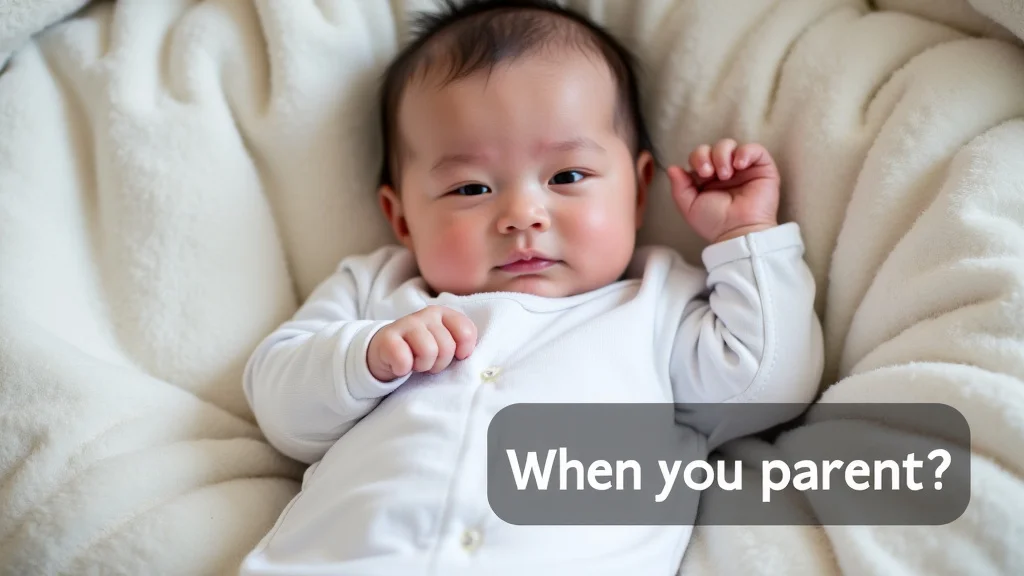
Picture this: you’re finally getting your little one settled for a nap, but the thought of loose blankets in the crib makes you uneasy. You want your baby to be cozy and safe, but traditional blankets feel like a worry. That’s where a halo baby sleep sack comes in.
It’s a wearable blanket that offers peace of mind and a better night’s sleep for everyone. This guide will explore why sleep sacks are a smart choice and how a halo baby sleep sack can help your little one rest soundly.
Key Takeaways
- Sleep sacks provide a safe alternative to loose blankets in the crib.
- Halo baby sleep sacks offer a unique swaddle-like experience for older babies.
- Choosing the right size and material ensures comfort and safety.
- Sleep sacks can help establish a consistent sleep routine.
- Proper use of a halo baby sleep sack promotes better sleep quality.
What Is a Halo Baby Sleep Sack
A halo baby sleep sack is a wonderful innovation for parents seeking a safe and effective way to keep their little ones warm and secure during sleep. Unlike traditional loose blankets, which can pose a suffocation risk, sleep sacks are wearable garments that act as a safe alternative. The “halo” aspect often refers to designs that allow for a snug swaddle-like feel around the torso while providing freedom of movement for the legs.
This unique combination aims to mimic the comforting embrace of a swaddle, which many newborns find soothing, while also accommodating babies who are starting to roll or have outgrown traditional swaddling.
The core purpose of any sleep sack, including the halo variety, is to provide a consistent, safe sleep environment. They eliminate the need for loose bedding, significantly reducing the risk of SIDS (Sudden Infant Death Syndrome) associated with entrapment or suffocation by blankets. This makes them an essential item for any nursery.
Parents often choose sleep sacks because they offer a simple solution to the age-old problem of keeping a baby warm without the dangers of loose bedding. The design ensures that the baby’s head cannot become covered, and their legs and feet have enough room to move freely, which is important for healthy hip development.
-
Safety First: Sleep sacks are designed to prevent loose blankets from covering a baby’s face, reducing the risk of suffocation and SIDS.
This is the primary benefit that draws parents to sleep sacks. The fear of a blanket shifting during sleep is a common concern for new parents. Sleep sacks address this directly by being a garment the baby wears, meaning it stays with them throughout the night and cannot become a hazard. The open bottom design also ensures there is no risk of the baby becoming entangled. -
Comfort and Warmth: They provide consistent warmth without overheating, as they come in various TOG (Thermal Overall Grade) ratings suitable for different room temperatures.
Overheating is another significant risk factor for SIDS. Sleep sacks come with a TOG rating, which indicates how warm the sleep sack is. This allows parents to choose the appropriate sleep sack for the season and the temperature of the baby’s room, ensuring their child stays comfortably warm but not too hot. For example, a low TOG rating is for warmer months, while a higher TOG rating is for colder periods. -
Promotes Better Sleep: The snug fit can provide a sense of security, helping babies feel more comforted and sleep longer.
Many babies find comfort in feeling swaddled, as it reminds them of the womb. A sleep sack that offers a gentle hug around the upper body can replicate this feeling, leading to a more settled and longer sleep. This can be particularly helpful for fussy babies or those struggling with sleep transitions. -
Ease of Use: They are easy to put on and take off, often featuring zippers or snaps, making diaper changes simpler, especially at night.
Nighttime diaper changes can be disruptive to a baby’s sleep cycle. Sleep sacks with features like double zippers or specific openings make it quick and easy to access the diaper area without fully undressing the baby, minimizing disturbance and helping them drift back to sleep faster.
The Evolution of Sleepwear for Babies
Before the widespread use of sleep sacks, parents relied heavily on blankets and swaddles. While swaddling was common for newborns, it came with its own set of challenges. Babies who outgrew swaddling, or those who were transitioning out of it, often struggled with loose blankets.
This period could be fraught with anxiety for parents, constantly checking to ensure their baby was safe and still covered. The invention of the sleep sack marked a significant shift in infant sleepwear. It offered a more adaptable solution that could be used for a longer period of a baby’s development.
The concept of wearable blankets isn’t entirely new; variations have existed in different cultures. However, the modern sleep sack, as we know it, has become a staple in nurseries worldwide due to its emphasis on safety and practicality. The development of different materials, TOG ratings, and features like the halo swaddle design demonstrates a continuous effort to improve infant comfort and parental peace of mind.
Understanding TOG Ratings
The Thermal Overall Grade, or TOG, is a crucial factor when selecting any sleep sack. It’s a unit of thermal resistance used to measure how well a product traps heat. Essentially, a higher TOG rating means the sleep sack is warmer.
This system helps parents choose the correct sleep sack for their baby based on the ambient room temperature, preventing overheating or chilling.
- TOG 0.5: Suitable for very warm rooms, typically 75°F (24°C) and above. These are lightweight and breathable, perfect for summer months or heated climates. They offer minimal insulation, allowing for airflow to keep the baby cool.
- TOG 1.0: Ideal for moderately warm rooms, usually between 68-73°F (20-23°C). This is a versatile option for spring and autumn or cooler summer nights. It provides a balance of warmth and breathability.
- TOG 2.5: Best for cooler rooms, generally 64-67°F (18-19°C). This is a common choice for winter or air-conditioned environments. It offers significant insulation to keep the baby snug and warm.
- TOG 3.5+: For very cold rooms, below 64°F (18°C). These are the warmest sleep sacks and should be used with caution, ensuring the baby is not overdressed underneath. They are designed for harsh winter conditions or unheated spaces.
Choosing the correct TOG rating is vital. If a sleep sack is too warm, the baby can overheat, which is a risk factor for SIDS. If it’s too cool, the baby may wake up frequently due to being cold.
Always check the baby’s temperature by feeling their chest or back. Their hands and feet might feel cooler, which is normal.
The Halo Baby Sleep Sack Design
The halo baby sleep sack stands out with its innovative design, particularly its ability to offer a secure swaddle-like experience for babies who are past the newborn stage but still benefit from a comforting embrace. Many halo sleep sacks feature a wrap or wing that can be fastened snugly around the baby’s torso, mimicking the security of a swaddle. This is especially helpful for babies who are transitioning from being tightly swaddled.
The key difference lies in how the upper body is secured. While traditional swaddles wrap the entire baby, a halo sleep sack allows the legs and lower body to move more freely. This design is safer for babies who are starting to show signs of rolling over, as it doesn’t restrict their movement in a way that could be dangerous.
The “halo” effect refers to the way the wrap encircles the baby’s upper body, creating a sense of calm and security.
Swaddling vs. Halo Sleep Sack
Swaddling is the practice of wrapping an infant snugly in a thin blanket. It’s a time-honored tradition that can help calm newborns by recreating the feeling of being in the womb. This restricted movement can prevent the startle reflex from waking them.
However, swaddling has limitations. Once a baby shows signs of rolling over, typically around 3-4 months, swaddling is no longer safe because they can roll onto their stomach and be unable to push themselves up.
A halo baby sleep sack bridges this gap. For babies who are too old for a full swaddle but still find comfort in a snug feeling, the halo design provides a solution. The wrap portion can be adjusted to be tight enough to offer that secure sensation without restricting arm movement or preventing safe rolling.
The lower part of the sleep sack allows for free leg movement, which is crucial for healthy hip development and for babies learning to move around in their crib.
-
Transition Period: The halo baby sleep sack is ideal for the transition period when babies are no longer safely swaddled but still need that comforting, secure feeling.
Many parents face challenges when their baby outgrows swaddling. The sudden loss of that snug feeling can lead to increased fussiness and disrupted sleep. A halo sleep sack provides a gentle way to ease this transition by offering a similar sense of security to the upper body while allowing for greater freedom of movement. This makes the process smoother for both baby and parent. -
Safety for Rollers: Unlike traditional swaddles, halo sleep sacks allow for arm movement and are safe for babies who are beginning to roll.
Safety is paramount. Once a baby can roll over, traditional swaddling becomes dangerous. Halo sleep sacks are designed with this developmental stage in mind. They typically allow the baby to move their arms freely, which is essential for self-soothing and for pushing up if they roll onto their tummy. This adaptability makes them a safer choice as the baby grows. -
Adjustable Fit: The wrap feature can often be adjusted to fit different baby sizes and preferences, ensuring a snug but not restrictive feel.
Babies grow quickly, and an adjustable fit means the sleep sack can be used for a longer period. The ability to tailor the tightness of the wrap around the torso ensures the baby is comfortable and secure, regardless of their individual build or sleep preferences. This customization adds to the value and longevity of the product.
Materials and Fabrics
The material of a halo baby sleep sack is as important as its design. Common fabrics include cotton, bamboo, and polyester blends.
-
Cotton: Cotton is a natural, breathable fiber that is soft against a baby’s skin. It’s a popular choice because it’s hypoallergenic and easy to wash.
100% cotton sleep sacks are great for general use. They allow for good airflow, helping to prevent a baby from getting too hot or too cold. However, cotton can absorb moisture and may take longer to dry than synthetic materials, which is something to consider, especially if the baby is a heavy wetter. -
Bamboo: Bamboo fabric is known for its incredible softness, breathability, and natural temperature-regulating properties. It’s also hypoallergenic and has moisture-wicking capabilities.
Bamboo sleep sacks often feel wonderfully soft and silky. They are excellent for babies with sensitive skin. The material is naturally breathable, helping to keep the baby comfortable in various temperatures. Its moisture-wicking properties are also a plus, keeping the baby dry. -
Polyester Blends: These are often used for their durability and ease of care. Some blends can offer extra warmth or softness.
Polyester is a synthetic fiber that is resilient and often used in children’s clothing. When blended with cotton or other materials, it can create a fabric that is both durable and comfortable. Some polyester blends are designed to be very warm, while others focus on quick drying. It’s important to ensure the blend is still breathable to avoid overheating.
When selecting a halo baby sleep sack, consider the climate you live in and the typical temperature of your baby’s room. Cotton is a reliable all-around choice, while bamboo offers superior softness and temperature control. For very cold climates, you might look for thicker blends.
Always check the TOG rating in conjunction with the fabric to ensure you have the right sleep sack for the season.
Benefits of Using a Halo Baby Sleep Sack
The benefits of using a halo baby sleep sack extend beyond just safety. They contribute significantly to a baby’s sleep quality and a parent’s peace of mind. The consistent warmth and security provided by a sleep sack can lead to longer, more uninterrupted sleep for the baby.
This, in turn, allows parents to get more rest as well, which is invaluable in those early months.
The ease of use is another major advantage. Zippers and snaps make nighttime diaper changes less of a chore. Instead of wrestling a whole sleep sack off and on, you can often just unzip the bottom portion.
This minimizes disturbance to the baby, helping them stay sleepy and facilitating a quicker return to slumber.
Establishing a Sleep Routine
A halo baby sleep sack can be an integral part of establishing a healthy sleep routine. The act of putting on the sleep sack can become a cue for the baby that it’s time to wind down and prepare for sleep. This ritualistic aspect helps signal to the baby’s internal clock that sleep is approaching, making bedtime smoother.
-
Pre-Sleep Cue: Using the sleep sack consistently as part of the bedtime routine helps signal to the baby that sleep is coming.
Babies thrive on routine. By associating the sleep sack with sleep, you create a predictable pattern. When you put on the sleep sack, it tells your baby, “It’s almost time for bed.” This consistency can reduce bedtime struggles and make it easier for the baby to fall asleep and stay asleep. -
Consistency is Key: Regularly using the same sleep sack, or sleep sacks of similar TOG ratings, provides a familiar and comforting sleep environment.
Familiarity breeds comfort. When a baby is accustomed to the feel and weight of their sleep sack, it becomes a reassuring presence in the crib. This consistency helps them feel secure, even when they wake briefly during the night, potentially leading to them falling back asleep on their own. -
Temperature Regulation: Ensuring the baby is dressed appropriately underneath the sleep sack based on its TOG rating helps maintain a consistent sleep temperature.
Being too hot or too cold can significantly disrupt sleep. By understanding the TOG rating of your halo baby sleep sack and dressing your baby in appropriate layers underneath, you ensure they remain at a comfortable temperature throughout the night. This prevents waking due to discomfort and promotes deeper sleep.
Encouraging Independent Sleep
The design of a halo baby sleep sack, particularly the freedom it allows for limb movement, can encourage a baby’s development of independent sleep skills. While it provides security, it doesn’t restrict the baby to the point where they are unable to shift position or self-soothe. This freedom is important for babies as they learn to settle themselves back to sleep when they naturally stir during the night.
Unlike being heavily swaddled, a baby in a halo sleep sack can still reach for their pacifier, adjust their position, or move their limbs, which can be part of their self-soothing process. This ability to self-regulate can lead to longer stretches of sleep and fewer night wakings as the baby gets older.
Practical Considerations for Parents
For parents, the practicality of a halo baby sleep sack is a major draw. They are generally machine washable, making cleaning up after spit-ups or diaper leaks straightforward. Having a few sleep sacks on hand ensures you always have a clean one ready.
-
Laundry: Sleep sacks are typically easy to care for and can be machine washed and dried, which is essential for busy parents.
Babies are messy, and anything they wear needs to be washable. Sleep sacks are designed for frequent washing. Most can be tumbled dry on low heat, making them convenient to clean and ready for the next nap or bedtime. This is a significant practical advantage compared to delicate infant clothing. -
Travel: Sleep sacks are lightweight and easy to pack, making them a great item to bring along when traveling to maintain your baby’s sleep routine.
When you travel, you want to replicate your baby’s home sleep environment as much as possible. A familiar sleep sack can provide that comfort and sense of security in an unfamiliar place. They fold up easily, taking up minimal space in a suitcase. -
Cost-Effectiveness: While some specialized sleep sacks can be an investment, many are reasonably priced, and their durability means they can be used for multiple children or resold.
Good quality sleep sacks can last for a long time. Many parents find that investing in a few well-made sleep sacks is more cost-effective in the long run than constantly buying new blankets or other sleep aids. The ability to pass them down to younger siblings or sell them secondhand further enhances their value.
Choosing the Right Halo Baby Sleep Sack
Selecting the perfect halo baby sleep sack involves considering a few key factors to ensure it meets your baby’s needs and your own preferences. The primary considerations revolve around size, TOG rating, and material. Getting these right will maximize comfort and safety for your little one.
The sizing of a sleep sack is crucial. It should fit snugly around the neck and chest to prevent the baby from slipping down inside it. However, it should be roomy enough around the legs and feet to allow for healthy hip development and free movement.
Always check the manufacturer’s sizing guidelines, which are usually based on the baby’s weight and height.
Size Matters for Safety and Comfort
A sleep sack that is too large can be a safety hazard. If the neckline is too wide, the baby’s head could slip down into the sack, potentially obstructing their breathing. Conversely, a sleep sack that is too small can be uncomfortable, restricting movement and potentially leading to overheating if it’s too tight.
-
Newborn Size: Typically fits babies from birth up to around 10-12 pounds (4.5-5.5 kg). It provides a snug fit around the torso and allows for freedom in the legs.
For the smallest babies, a newborn-sized halo baby sleep sack is designed to offer a secure fit without being overwhelming. It’s important to ensure the neck opening is not too large, as babies at this stage are still developing their motor control. The length is also appropriate for their size. -
Infant Size: Generally suitable for babies weighing 12-20 pounds (5.5-9 kg), usually from 3 to 9 months. The length and girth increase to accommodate growth.
As babies grow, they need more room to move their legs and change positions. The infant size offers this increased space while maintaining a secure fit around the neck and chest. It’s often designed with longer zippers for easier diaper changes as well. -
Toddler Size: For babies weighing 20-30 pounds (9-13.5 kg) and older, typically from 9 to 24 months. These are longer and wider, accommodating active toddlers.
Toddlers are very mobile and need sleepwear that allows for their active sleep patterns. The toddler size is designed to be roomy enough for kicking, stretching, and even standing up in the crib. Safety features like no loose threads or small parts are paramount at this stage.
Always double-check the specific sizing chart provided by the brand you are purchasing from, as sizes can vary between manufacturers. A well-fitting halo baby sleep sack is paramount for both safety and comfort.
Matching TOG Rating to Room Temperature
As mentioned earlier, the TOG rating is a critical element in choosing the right sleep sack. It ensures your baby is dressed appropriately for the temperature of their sleeping environment.
For example, if your baby’s room is consistently around 70°F (21°C), a TOG 1.0 sleep sack would be a suitable choice. If the room is cooler, say 65°F (18°C), you would opt for a TOG 2.5. It’s important to adjust the layers of clothing worn underneath the sleep sack accordingly.
A general rule of thumb is to dress your baby in one layer less than you would wear yourself in the same room temperature.
Special Features to Look For
Beyond the basic design, some halo baby sleep sacks come with additional features that can enhance usability and comfort. These might include:
- Two-Way Zippers: These zippers open from the top and bottom, allowing for easy diaper changes without fully removing the sleep sack. This is incredibly convenient for middle-of-the-night changes.
- Foot Openings or Cuffs: Some sleep sacks have built-in feet with snaps or foldable cuffs, allowing you to cover your baby’s feet for warmth or leave them exposed for better grip if they are walking.
- Arm Mitten Cuffs: For very young babies who might scratch their faces, some sleep sacks have built-in cuffs that can be folded over their hands.
- Snug Neckline: A well-designed neckline should be snug enough to prevent the baby from slipping down but not tight enough to restrict breathing.
Common Myths Debunked
Myth 1: Sleep Sacks Are Only For Newborns
This is a common misconception. While sleep sacks are incredibly beneficial for newborns, especially those who enjoy being swaddled, they are designed for use through the toddler years. As babies grow and transition out of traditional swaddling, a sleep sack, like a halo baby sleep sack, provides a safe and comfortable alternative that can be used until they are ready to sleep with blankets.
The designs evolve to accommodate older babies and toddlers, offering more freedom of movement and various features.
Myth 2: Sleep Sacks Restrict Baby’s Movement Too Much
Well-designed sleep sacks, particularly halo baby sleep sacks, are made to offer both security and freedom. The torso area is snug to provide comfort and mimic swaddling, but the leg and foot areas are intentionally designed to be roomy. This allows babies to kick, stretch, and move their legs freely, which is essential for healthy hip development and for them to adjust their position comfortably during sleep.
The focus is on secure upper body comfort and unrestricted lower body movement.
Myth 3: Any Blanket Is As Safe As A Sleep Sack
This is a critical safety myth to debunk. Loose blankets in a crib are a significant suffocation and SIDS risk. Babies can pull them over their faces, become entangled, or overheat.
A sleep sack, by contrast, is a wearable garment that stays with the baby and cannot cover their face. This makes it a vastly safer option than traditional blankets for infants and young children. The design actively mitigates the risks associated with loose bedding.
Myth 4: Sleep Sacks Make It Harder To Breastfeed or Bond
This is generally not true. While a baby is wearing a sleep sack, it is designed for comfort and safety during sleep, not for feeding or active play. However, when it’s time to feed or cuddle, the sleep sack can be easily removed.
In fact, the consistent sleep it promotes can lead to happier babies who are more alert and responsive during awake times, potentially enhancing bonding opportunities. The ease of use also means quick removal for feeding.
Frequently Asked Questions
Question: What is the difference between a halo baby sleep sack and a regular sleep sack
Answer: A halo baby sleep sack often features a wrap or wing that can be secured around the baby’s torso, mimicking the comforting sensation of a swaddle while allowing more freedom of movement for the arms and legs. Regular sleep sacks are typically simpler wearable blankets without this specific swaddle-like feature.
Question: At what age can I stop using a sleep sack
Answer: Most parents transition away from sleep sacks when their child is around 18-24 months old, or when they are comfortable sleeping with a blanket. Some toddlers may prefer sleep sacks even longer.
Question: How many layers should my baby wear under a halo baby sleep sack
Answer: The number of layers depends on the TOG rating of the sleep sack and the room temperature. Generally, dress your baby in one layer less than you would wear yourself. Check the manufacturer’s guidelines for specific recommendations.
Question: Can my baby overheat in a halo baby sleep sack
Answer: Overheating is a risk with any sleep garment if not chosen correctly. Always select the appropriate TOG rating for the room temperature and ensure your baby is not overdressed underneath. Feel your baby’s chest or back to check their temperature.
Question: Are halo baby sleep sacks safe for tummy sleepers
Answer: Yes, halo baby sleep sacks are designed to be safe for tummy sleepers as long as the baby is able to roll independently. The design allows for free arm movement, which is crucial for tummy sleepers to be able to push themselves up.
Summary
The halo baby sleep sack offers a safe, comfortable, and practical solution for infant sleepwear. It provides the security of a swaddle with the freedom babies need as they grow. Choosing the right size and TOG rating ensures optimal warmth and safety.
Using a halo baby sleep sack can establish positive sleep habits and give parents peace of mind.