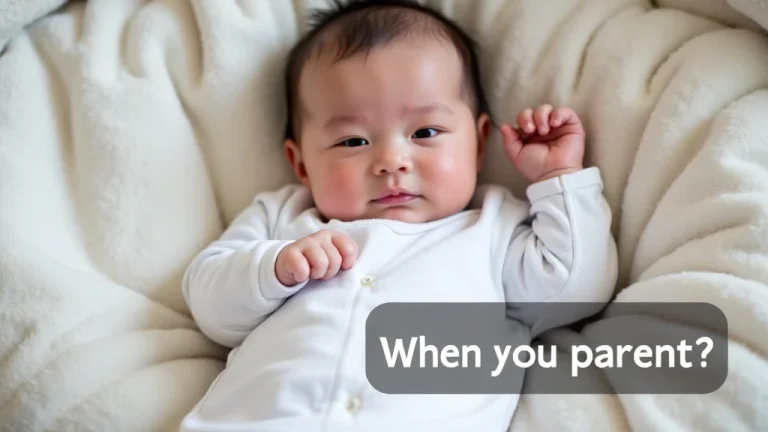
You’ve brought your precious little one home, and sleep is finally on the horizon. But as you settle into the quiet moments, questions arise about safe sleep practices. You want the best for your baby, and that includes a cozy, secure way to help them rest. This is where a halo sleep sack for babies becomes a parent’s best friend, offering peace of mind and a better night’s sleep for everyone. Read on to discover why these sleep sacks are so popular and how to pick the perfect one.
Key Takeaways
- Halo sleep sacks offer a safe and wearable alternative to loose blankets.
- They come in various TOG ratings to suit different room temperatures.
- Features like leg openings and zipper types enhance usability.
- Choosing the correct size is vital for comfort and safety.
- Halo sleep sacks promote consistent sleep temperature for babies.
What Are Halo Sleep Sacks and Why Use Them
Halo sleep sacks are innovative wearable blankets designed to keep babies warm and safe while they sleep. Unlike traditional loose blankets, which can pose a suffocation risk, sleep sacks keep babies snug without any excess material. This design is pediatrician recommended, promoting safe sleep habits from the very beginning.
The main purpose of a halo sleep sack for babies is to provide a consistent and safe sleep environment. By swaddling or wrapping babies snugly in a sleep sack, parents can help reduce the startle reflex, which often wakes infants up. This can lead to longer, more restful sleep for both baby and parents.
The wearable nature of the sleep sack also means that it stays in place throughout the night. Babies can’t kick it off, so they remain warm even if they move around a lot in their crib. This is especially important during colder months or in homes with fluctuating temperatures.
The American Academy of Pediatrics (AAP) strongly advises against using loose bedding in a crib. This includes blankets, pillows, and bumpers. They recommend using a sleep sack or a footed pajama as a safer alternative for keeping a baby warm.
- Halo sleep sacks provide a secure fit that mimics the feeling of being swaddled, which can comfort newborns and help them transition from the womb. This snug feeling can calm a fussy baby and encourage them to fall asleep more easily.
- They are made from breathable fabrics that help regulate a baby’s body temperature, preventing overheating. Overheating is a known risk factor for SIDS, so choosing a breathable sleep sack is crucial for safe sleep.
- The ease of use for parents is another significant benefit. Features like front-opening zippers make diaper changes quick and simple without having to fully undress the baby. This saves time and disruption during nighttime feedings.
- Halo sleep sacks come in various sizes, from newborn to toddler, ensuring a good fit as the baby grows. A properly sized sleep sack is essential for both comfort and safety, preventing the baby from slipping down inside the garment.
Understanding TOG Ratings for Halo Sleep Sacks
When choosing a halo sleep sack for babies, understanding TOG ratings is essential. TOG stands for Thermal Overall Grade, and it’s a measure of how warm a sleep product is. The higher the TOG rating, the warmer the sleep sack. This system helps parents select the appropriate sleep sack based on their baby’s room temperature, ensuring they are never too hot or too cold.
Different TOG ratings are designed for different ambient room temperatures. For example, a lower TOG rating is suitable for warmer rooms, while a higher TOG rating is needed for colder environments. Using the correct TOG rating is crucial for your baby’s comfort and safety.
Overheating is a significant concern for infants, as it can increase the risk of SIDS. Conversely, a baby who is too cold will likely wake up more frequently. By matching the TOG rating to the room temperature, parents can create an ideal sleep environment.
A general guide for TOG ratings and room temperatures is as follows:
| TOG Rating | Room Temperature (Degrees Fahrenheit) | Room Temperature (Degrees Celsius) | Recommended Use |
|---|---|---|---|
| 0.5 TOG | 74-80°F | 23-26°C | Summer/Warm climates, warmer rooms |
| 1.0 TOG | 68-73°F | 20-22°C | Year-round in moderate climates, spring/autumn |
| 2.5 TOG | 64-67°F | 18-19°C | Winter/Cool climates, cooler rooms |
| 3.5 TOG | Below 64°F | Below 18°C | Very cold climates, very cool rooms |
- A 0.5 TOG sleep sack is lightweight, ideal for keeping babies comfortable during the warmer months or in rooms that are consistently above 72°F (22°C). These are typically made from thinner cotton or bamboo fabrics. They allow for good airflow, preventing the baby from getting sweaty.
- The 1.0 TOG sleep sack is a versatile option, suitable for many seasons and moderate room temperatures, generally between 68-72°F (20-22°C). This rating offers a good balance of warmth and breathability, making it a popular choice for year-round use in many households.
- For cooler nights and winter months, the 2.5 TOG sleep sack provides increased insulation. It is recommended for room temperatures between 64-67°F (18-19°C). These sacks are usually made from thicker cotton or have a quilted design for extra warmth.
- The 3.5 TOG sleep sack is the warmest option, designed for very cold environments or rooms that consistently stay below 64°F (18°C). This rating is essential for ensuring babies in chilly climates or unheated rooms remain safe and warm throughout the night.
Choosing the Right Fabric
The fabric of a halo sleep sack for babies also plays a role in temperature regulation. Cotton is a popular choice because it is soft, breathable, and hypoallergenic. Bamboo is another excellent option, known for its silky texture, breathability, and moisture-wicking properties. Some sleep sacks may also include polyester for added durability or insulation.
The weave of the fabric also impacts its TOG rating. A tightly woven cotton might have a higher TOG than a loosely woven one of the same weight. Manufacturers usually provide clear guidance on the TOG rating and recommended room temperature for each of their products.
Research shows that maintaining a consistent sleep temperature for infants is crucial. Studies indicate that babies who sleep in environments that are too warm are at a higher risk of SIDS. This emphasizes the importance of selecting sleepwear appropriate for the season and room temperature.
Key Features of Halo Sleep Sacks
Halo sleep sacks are designed with both baby’s comfort and parent’s convenience in mind. They incorporate several features that set them apart and make them a preferred choice for many families. Understanding these features can help you select the best halo sleep sack for your baby’s needs.
One of the most notable features is the “generous leg opening” or “roomy sack” design. This allows babies to move their legs freely, which is important for hip health. The American Academy of Pediatrics emphasizes that the sack should be wide enough at the bottom to allow the baby’s legs to bend up and out.
Another critical design element is the zipper. Halo sleep sacks typically feature a two-way zipper that opens from the top or bottom. This design is incredibly practical for middle-of-the-night diaper changes. Parents can unzip from the bottom, change the diaper, and then zip it back up without disturbing the baby’s upper body.
The neckline of a halo sleep sack is also important. It should fit snugly around the baby’s neck to prevent them from slipping down into the sack. A well-designed neckline ensures that the baby’s head and face are always clear.
Swaddle Options and Adjustability
Many halo sleep sacks for babies offer swaddle options. These can be particularly useful for newborns who are still experiencing the startle reflex. Some models feature adjustable swaddle wings that can be fastened to secure the baby’s arms. This allows parents to transition from a full swaddle to allowing one or both arms to be free as the baby grows.
The adjustability of these swaddle features is key. It allows parents to gradually introduce more freedom of movement as the baby gets closer to the age when they might roll over. This careful transition is part of a safe sleep progression.
Here’s a breakdown of common swaddle designs:
- Full Swaddle: This design wraps the baby’s arms securely against their body, mimicking the feeling of the womb. It’s best for newborns who haven’t yet learned to roll over. This can help them feel safe and prevent their own hands from startling them awake.
- Arm-Free Swaddle: As babies grow, they may prefer to have their arms out. Some sleep sacks have detachable swaddle wings, allowing parents to remove them. This gives the baby the option of sleeping with their arms by their side or near their face.
- One-Arm-Out Swaddle: This is a transitional option where one arm is wrapped securely, and the other is left free. This allows babies to self-soothe by touching their face while still providing some of the comforting benefits of swaddling.
Zipper and Fastener Types
The zipper is a critical component of a halo sleep sack’s functionality. The standard two-way zipper makes diaper changes much easier. A zipper that runs from the bottom up and from the top down allows for quick access without fully unzipping the entire garment. This minimizes exposure to cool air and disruption for the baby.
Some sleep sacks might use snaps instead of zippers, or a combination of both. However, zippers are generally preferred for their ease of use and secure closure. It’s important to ensure that any zipper pull is covered or tucked away to prevent it from being a choking hazard for older babies.
Consider these zipper advantages:
- Quick Diaper Changes: The two-way zipper allows for rapid access to the diaper area, significantly speeding up nighttime changes. This means less time with your baby awake and potentially fussy.
- Temperature Regulation: By unzipping from the bottom, you can easily ventilate the sleep sack if the baby feels warm, without exposing their upper body to the cold. This offers flexibility in managing your baby’s comfort.
- Reduced Disruption: The ease of the zipper means you can often change a diaper and zip them back up with minimal fuss, helping them return to sleep more quickly. This can contribute to longer stretches of sleep.
Choosing the Right Size Halo Sleep Sack for Babies
Getting the right size halo sleep sack for babies is paramount for both safety and comfort. A sleep sack that is too large can pose a risk, as the baby could slip down inside the garment, potentially covering their face. Conversely, a sack that is too small will be restrictive and uncomfortable, hindering their ability to sleep soundly.
Manufacturers typically provide detailed sizing charts based on the baby’s weight and height. It is essential to consult these charts before making a purchase. Always err on the side of caution if your baby is between sizes, opting for the larger size if it fits correctly according to the guidelines.
Proper sizing ensures that the neckline remains snug around the baby’s neck, preventing them from sliding down. The leg openings should also be appropriately sized to allow for free movement.
Weight and Height Guidelines
Most halo sleep sack brands offer sizes such as:
- Newborn: Typically for babies weighing between 6-12 pounds and measuring 19-23 inches. This size is designed to provide a snug fit and is often the first sleep sack used.
- Small: Usually for babies weighing 10-20 pounds and measuring 23-27 inches. This size offers more room for growth and can be used for several months.
- Medium: Generally for babies weighing 18-24 pounds and measuring 27-31 inches. This size is for older infants who are more mobile.
- Large: Typically for babies weighing 22-36 pounds and measuring 31-35 inches. This size is for toddlers.
It is important to remember that these are general guidelines. Always check the specific size chart provided by the manufacturer of the halo sleep sack you are considering. Baby growth varies, and what fits one baby perfectly might not fit another of the same age or weight.
How to Measure for the Correct Fit
To ensure a proper fit, measure your baby from the crown of their head to the soles of their feet. Compare this measurement to the height guidelines provided by the sleep sack manufacturer. Also, check the weight guidelines to ensure your baby falls within the recommended range for the chosen size.
The sleep sack should fit snugly around the neck and chest. You should not be able to fit more than two fingers between the neckline and your baby’s neck. The body of the sack should be roomy enough for your baby to kick and move their legs freely, but not so large that they can become completely enclosed.
A practical test for proper fit involves checking the leg and arm openings. If the baby’s legs can extend fully without being constricted, and the armholes are snug but not tight, the size is likely correct.
Halo Sleep Sacks for Different Age Groups
Halo sleep sacks are designed to accommodate babies through different developmental stages, from newborns to toddlers. Each stage has unique needs, and Halo offers variations to meet them. Understanding these age-specific designs ensures you continue to provide safe and comfortable sleep solutions as your baby grows.
For newborns, the focus is often on providing a secure, swaddled feeling. This helps them adjust to life outside the womb and can reduce the startle reflex that often wakes them. Many Halo sleep sacks for babies offer adjustable swaddle wings that can be used to keep their arms snug and calm.
As babies grow and begin to roll over, the way they sleep changes. The swaddle might need to be adjusted or phased out. Halo offers options that allow for arms to be free, giving babies more mobility and catering to their changing sleep preferences.
The transition from swaddling to a non-swaddled sleep sack is a significant developmental milestone. Choosing a sleep sack that can adapt to this transition can make the process smoother for both parent and baby.
Newborn and Infant Options
For the smallest babies, Halo often offers swaddle sleep sacks. These typically have an integrated swaddle feature, allowing parents to wrap their baby snugly. The swaddle can usually be adjusted, with options to wrap both arms, one arm out, or no arms at all.
The fabric for newborn sleep sacks is usually very soft and breathable, like organic cotton or bamboo blends. This is important because newborns have very sensitive skin and are less able to regulate their body temperature. The focus is on comfort and security to promote longer sleep stretches.
Here are some common features for newborn and infant halo sleep sacks:
- Integrated Swaddle Wings: These are adjustable fabric pieces that securely wrap around the baby’s torso, keeping their arms contained. They often fasten with Velcro or snaps for ease of adjustment.
- Easy Diaper Access: A two-way zipper is a must for newborns, allowing for quick and easy diaper changes without fully undressing the baby. This minimizes disruption during nighttime feedings.
- Soft, Breathable Fabrics: Materials like organic cotton, bamboo, or a blend are commonly used to ensure comfort and prevent overheating. These fabrics are gentle on delicate skin and promote airflow.
Toddler and Older Baby Sleep Sacks
As babies become toddlers, they become more active sleepers and may even start to walk. Halo offers sleep sacks designed for this age group, often featuring legs. These are sometimes called sleep suits or footed sleep sacks. They provide warmth and security while allowing for freedom of movement.
Toddler sleep sacks might have a foot opening that can be worn open or closed. This is a practical feature, as it allows the child to walk around safely when not sleeping, preventing tripping. The overall design is still focused on warmth and safety, ensuring no loose blankets.
Toddler-specific halo sleep sacks often include:
- Built-in Feet: Many toddler sleep sacks come with footies, sometimes with grips on the soles for added traction when walking. These can help keep little feet warm without needing separate socks.
- Generous Leg Room: Even with footies, the leg portion is designed to be roomy. This allows for comfortable movement and prevents restriction for active toddlers.
- Zip-Up Design: A front zipper is common, often with a zipper guard at the top to protect the baby’s chin. This ensures easy dressing and undressing.
Common Myths Debunked
Frequently Asked Questions
Question: Are halo sleep sacks safe for newborns?
Answer: Yes, halo sleep sacks are considered very safe for newborns when used according to the manufacturer’s instructions. They provide a secure way to keep babies warm without the risks associated with loose blankets.
Question: How do I choose the right TOG rating for my baby’s sleep sack?
Answer: The TOG rating depends on the ambient room temperature. Always check the chart provided by the manufacturer. Generally, lower TOGs are for warmer rooms and higher TOGs are for cooler rooms.
Question: Can my baby overheat in a halo sleep sack?
Answer: Overheating is a concern with any sleepwear. However, halo sleep sacks are made from breathable fabrics and come in different TOG ratings to help manage your baby’s temperature appropriately for the room conditions. Always ensure the room temperature is also safe.
Question: How often should I wash my baby’s sleep sack?
Answer: It is recommended to wash your baby’s sleep sack regularly, ideally after each use or at least every few days, to maintain hygiene. Use a mild detergent and follow the care instructions on the label.
Question: Can I use a halo sleep sack if my baby already rolls over?
Answer: Yes, halo sleep sacks are safe for babies who roll over. They offer options with arms out or one arm out, and the design prevents loose bedding. Ensure the size is correct and the baby can move freely.
Conclusion
Halo sleep sacks for babies provide a safe, comfortable, and practical sleep solution. By understanding TOG ratings, key features like zippers and swaddles, and how to choose the correct size, parents can ensure their little one gets a good night’s sleep. These wearable blankets help regulate temperature and prevent accidental suffocation from loose bedding, offering peace of mind. Make an informed choice for a cozier, safer sleep experience.